.png)
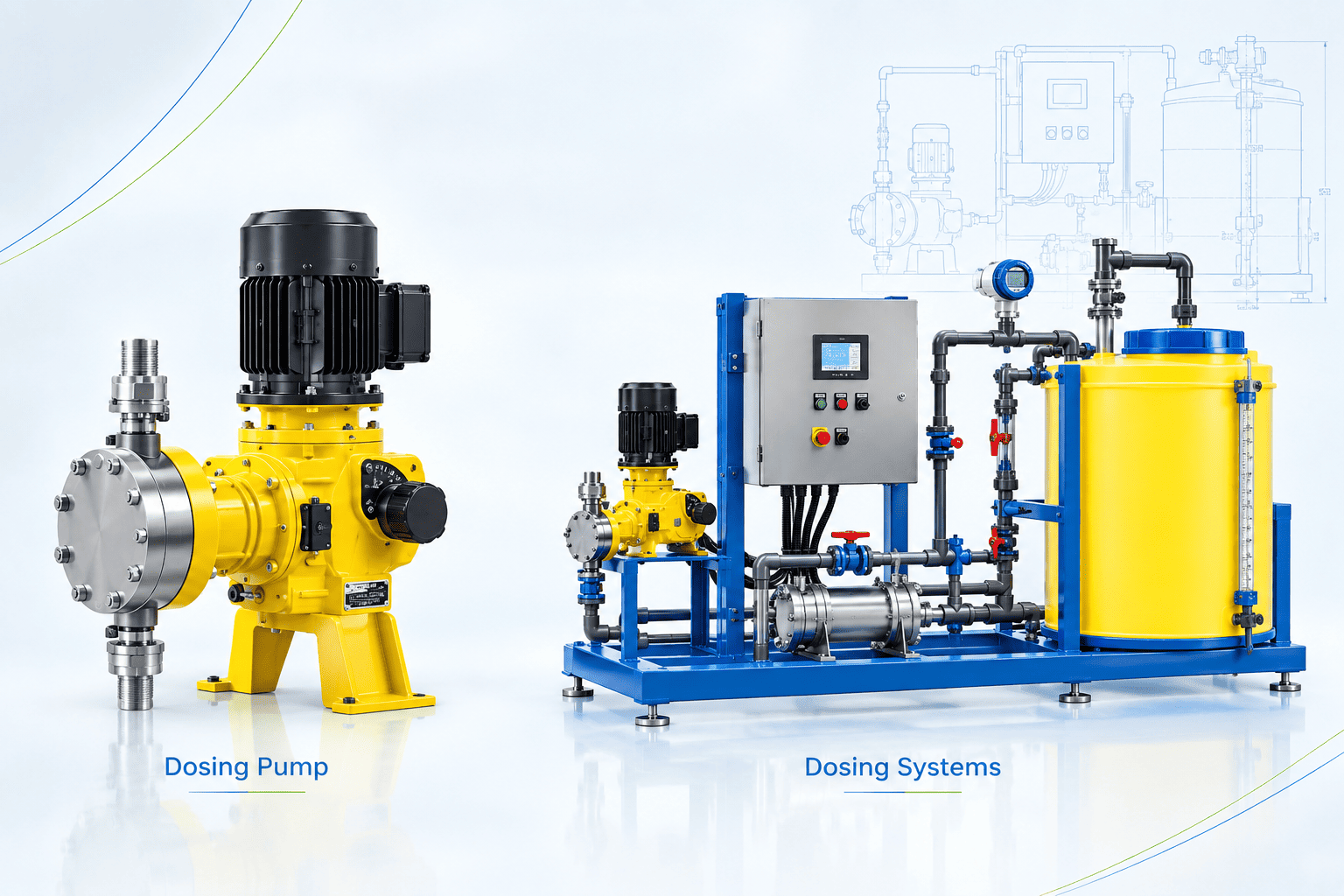
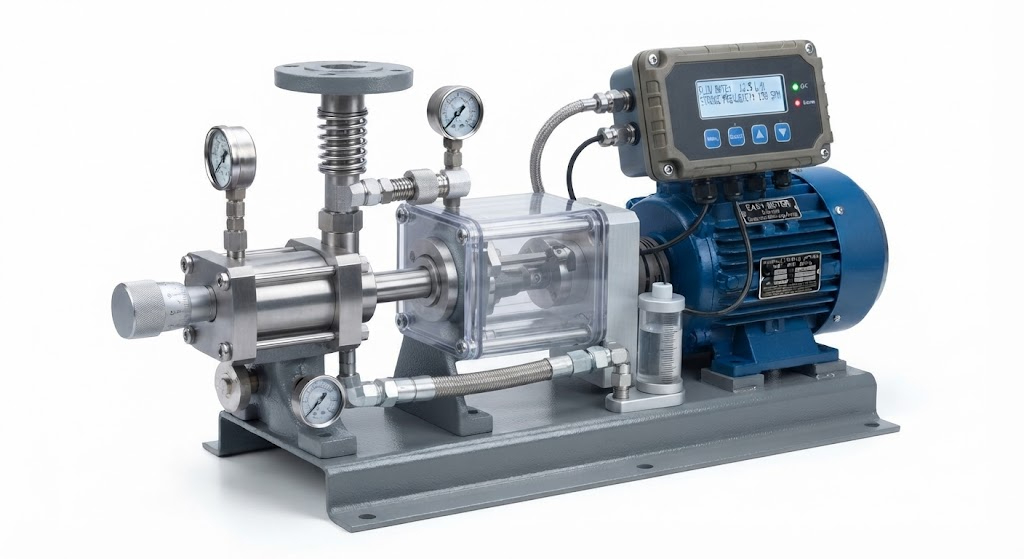
Electronic Metering Pump
An electronic dosing pump, also called an electronic metering pump is a precision positive displacement pump operating at 230V, 50Hz supply that delivers an exact, adjustable volume of liquid over a defined time period. The pump uses either a solenoid coil or a motor to actuate a flexible diaphragm inside a pump head. On the suction stroke, the diaphragm retracts, drawing liquid through an inlet check valve into the pump chamber. On the discharge stroke, the diaphragm compresses, closing the inlet valve and forcing the liquid out through the outlet check valve at a precisely controlled rate. This mechanism ensures accurate chemical injection regardless of back-pressure variations in the downstream system.
Get Your Free Quote…!
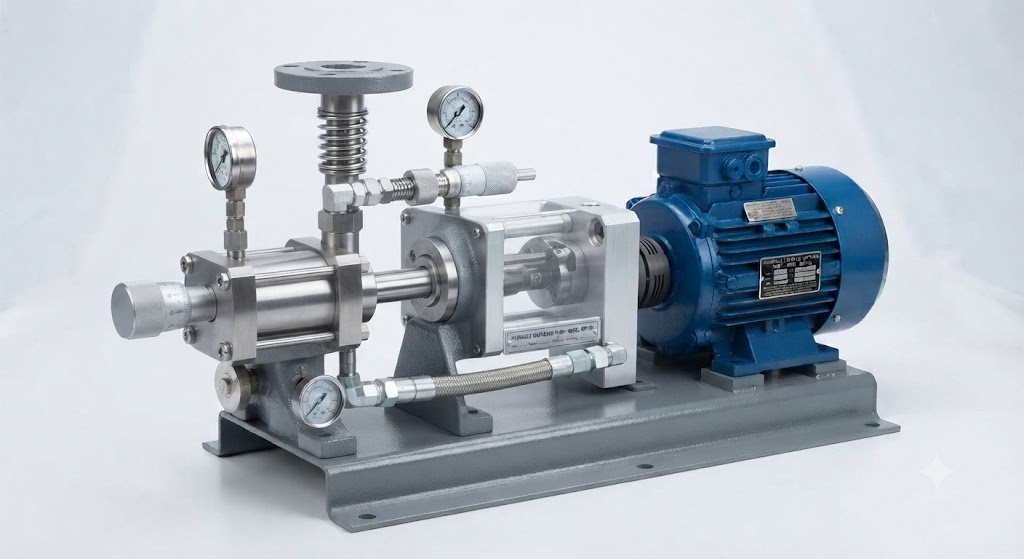
Plunger Metering Pump
The heart of the liquid end in a plunger metering pump is a high-resistance plunger made from coated stainless steel. As soon as the plunger is moved into the dosing head, the suction valve closes and the feed chemical flows out of the dosing head through a discharge valve. When the plunger moves in the opposite direction, the discharge valve closes due to the negative pressure in the dosing head. Fresh feed chemical flows through the suction valve into the dosing head.
Get Your Free Quote…!
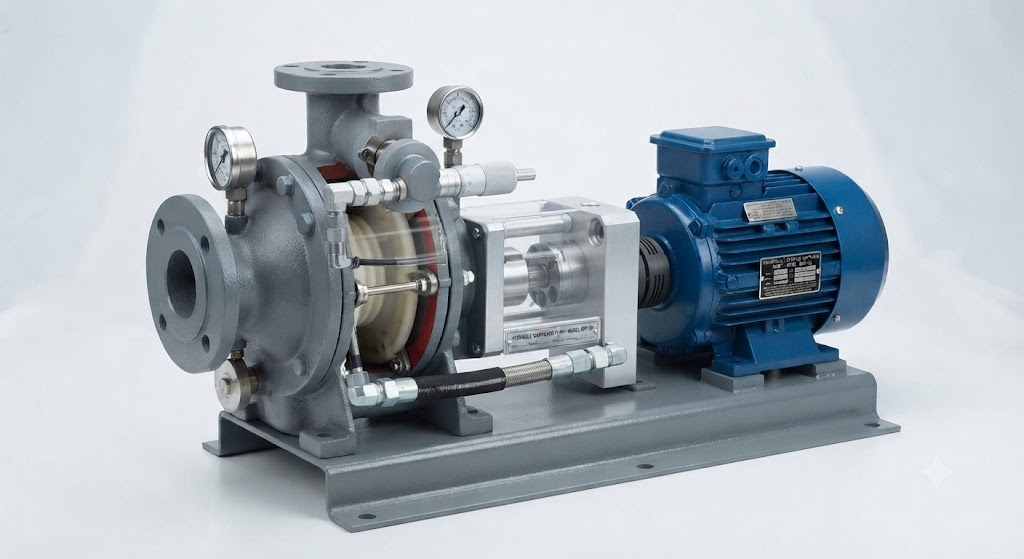
Hydraulically Operated Diaphragm Pump
We offer Hydraulic Diaphragm Metering Pump an extremely robust Conforms to API 675 standard. It meets with the strictest safety requirements and offers a very high degree of flexibility which makes a perfect choice for various industrial processes.
Get Your Free Quote…!
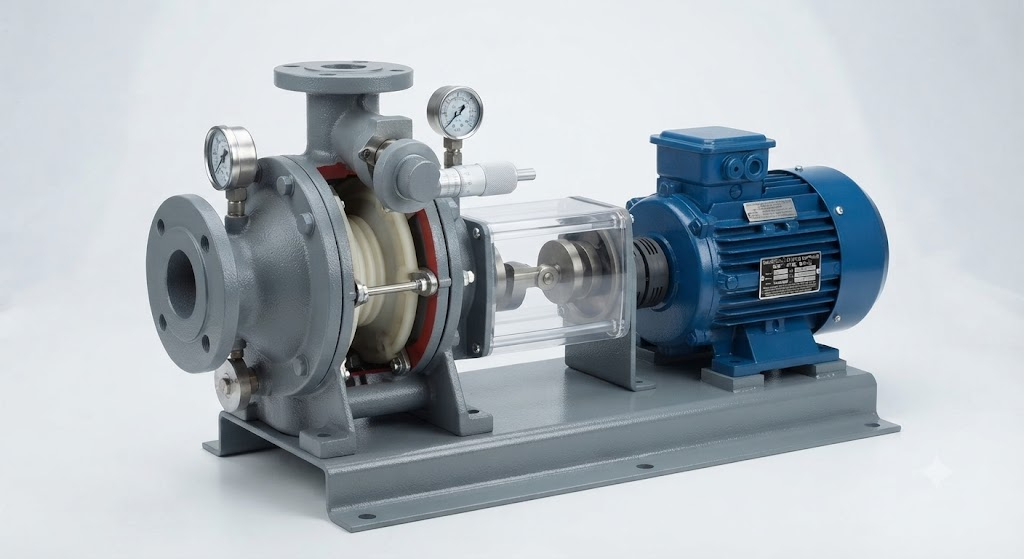
Mechanically Actuated Diaphragm Pump
A robust & Compact design of Mechanical Actuated Diaphragm Metering Pump is best suitable for metering and pumping tasks in the low-pressure range. With robust mechanical actuation mechanism, providing consistent and accurate dosing in various industrial applications.
Get Your Free Quote…!
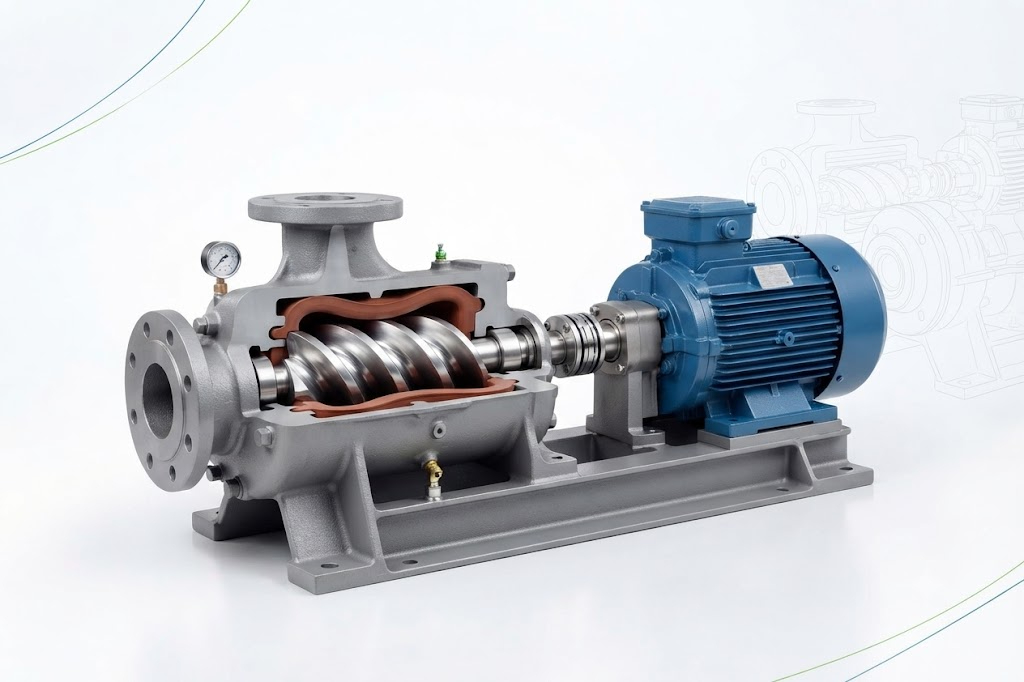
Progressive Cavity Screw Pump
Introducing Progressive Cavity Screw Pump - the ultimate solution for efficient and reliable fluid transfer. Our pump utilizes a progressive cavity design with a screw rotor and stator, providing gentle and consistent flow for various fluids, including viscous and abrasive substances.
Get Your Free Quote…!
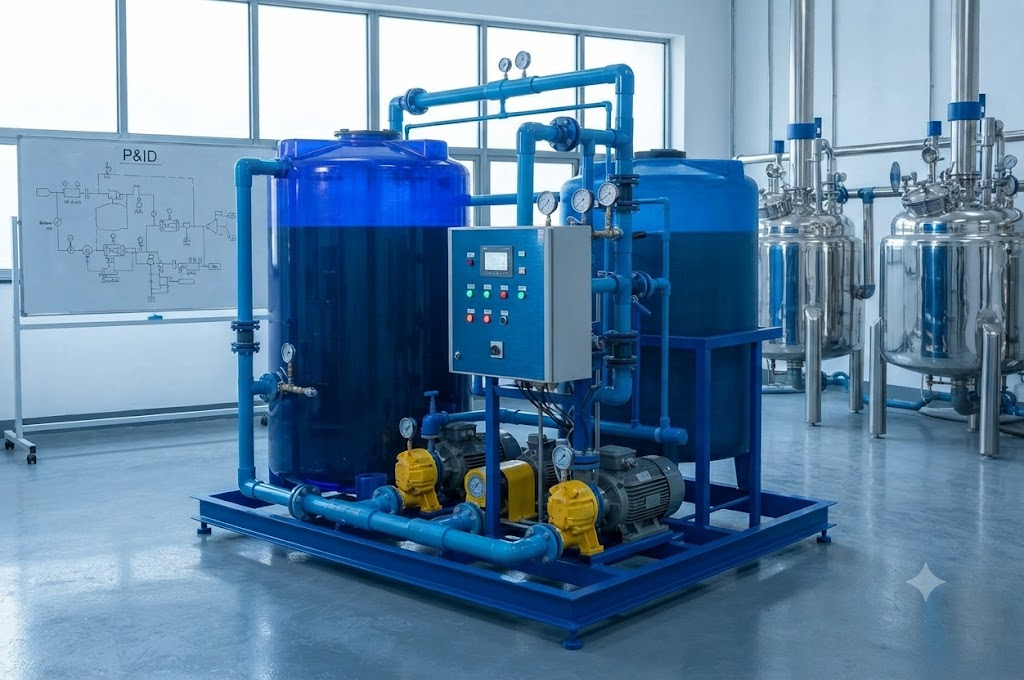
Chemical Dosing System
A Chemical Dosing System is a system used in industrial processes to inject precise amounts of chemicals into a process stream. The chemicals are typically used to control various aspects of the process, such as pH levels, corrosion, scale buildup, and microbial growth..
The dosing system typically consists of one or more chemical storage tanks, pumps to deliver the chemicals to the injection point, and a control system to regulate the amount of chemical injected. The control system may be based on a feedback loop that monitors process parameters such as pH, conductivity, or turbidity, or it may be based on a set time schedule
Get Your Free Quote…!
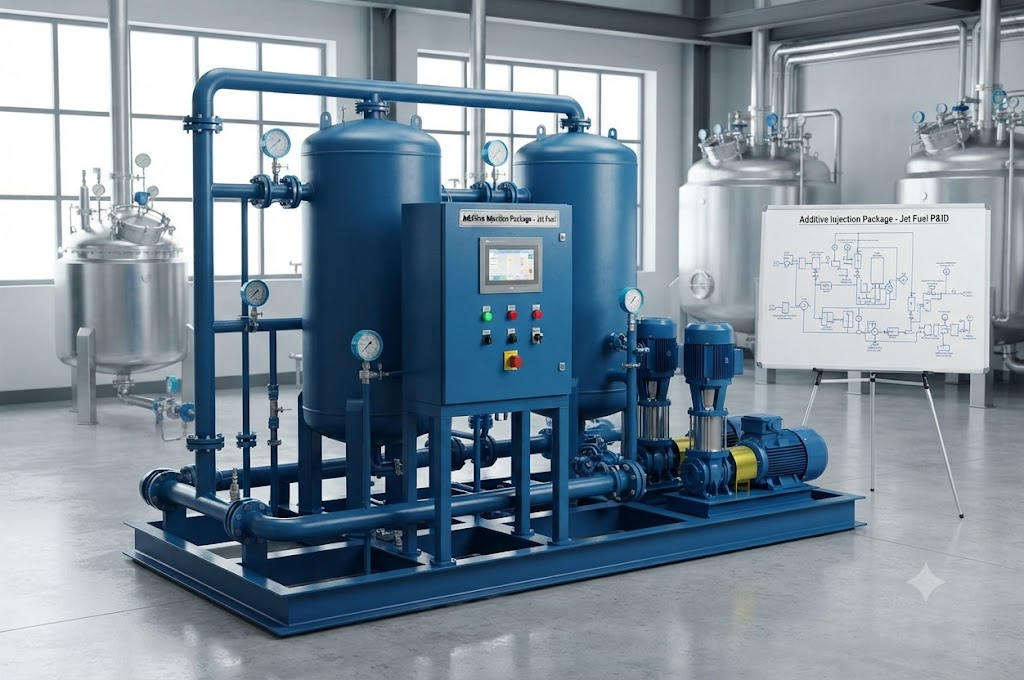
Additive Injection Packages for JET Fuel System
Additive Injection Packages (AIPs) for Jet Fuel systems are specialized chemicals added to enhance jet fuel performance, reduce deposits and contaminants, improve combustion efficiency, reduce emissions, and may have anti-icing properties.
Overview: Additive Injection Packages (AIPs) for Jet Fuel systems are specialized chemicals that are added to jet fuel to enhance its properties and performance. They are typically injected into the fuel system at various stages of the fueling process, such as during fueling or when the fuel is being transferred from one location to another.
The primary purpose of AIPs is to improve the quality and performance of jet fuel. This can include reducing the buildup of deposits and contaminants in the fuel system, improving the combustion efficiency of the fuel, and reducing emissions. Some AIPs may also have anti-icing properties, which can help prevent the formation of ice in the fuel system at high altitudes.
Get Your Free Quote…!
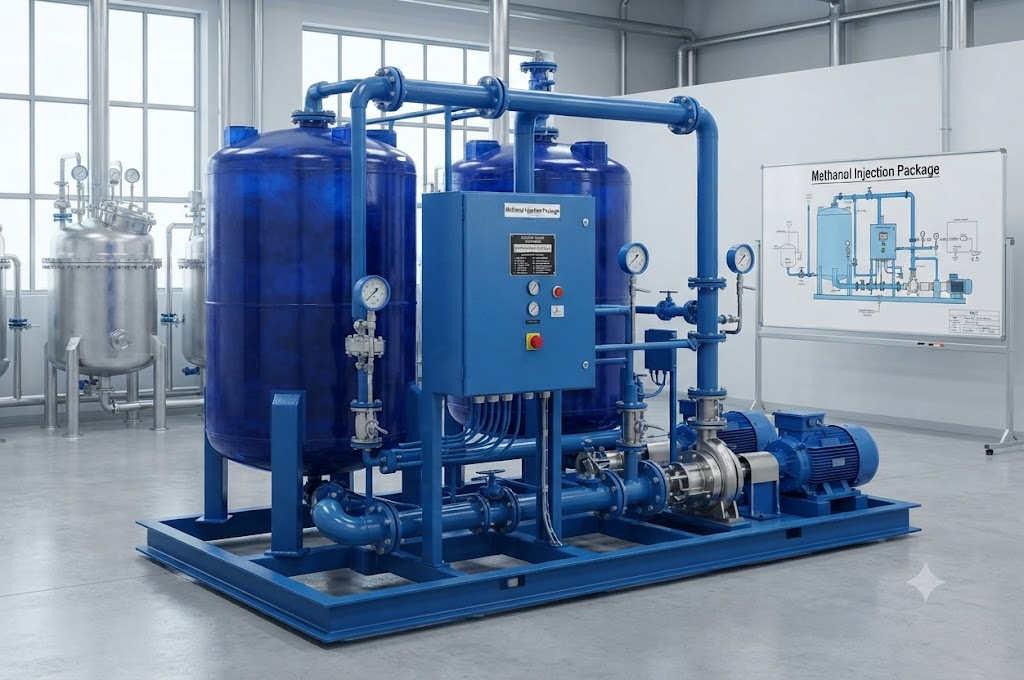
Methanol Injection Package
The Methanol Injection Package is a critical system used in oil and gas production to prevent hydrate formation in pipelines and subsea equipment. Methanol acts as a thermodynamic inhibitor, reducing the risk of gas hydrates that can lead to blockages and operational failures in offshore and onshore facilities.
Our Methanol Injection Package is a custom-designed, skid-mounted system that ensures precise and efficient methanol dosing, enhancing flow assurance, pipeline integrity, and operational reliability.
Get Your Free Quote…!
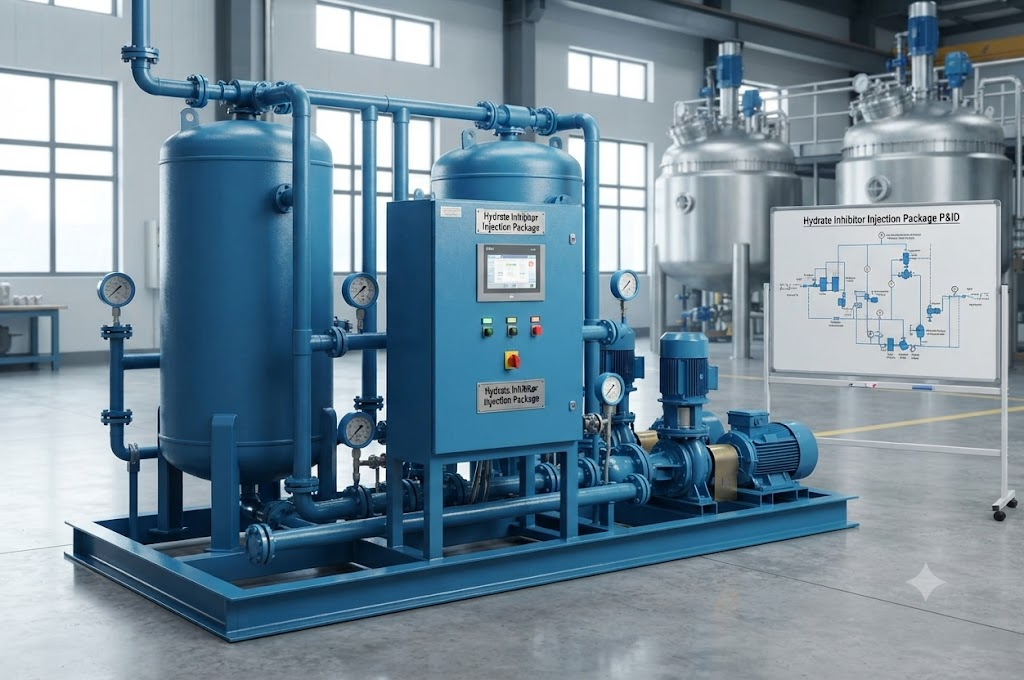
Hydrate Inhibitor Injection Package
Gas hydrates, which form under high pressure and low temperature conditions, can block pipelines and disrupt production. Our Hydrate Inhibitor Injection Package is designed to deliver precise, continuous, and reliable dosing of hydrate inhibitors such as Methanol, Monoethylene Glycol (MEG), or Diethylene Glycol (DEG) to inhibit hydrate formation and maintain uninterrupted fluid flow.
Get Your Free Quote…!
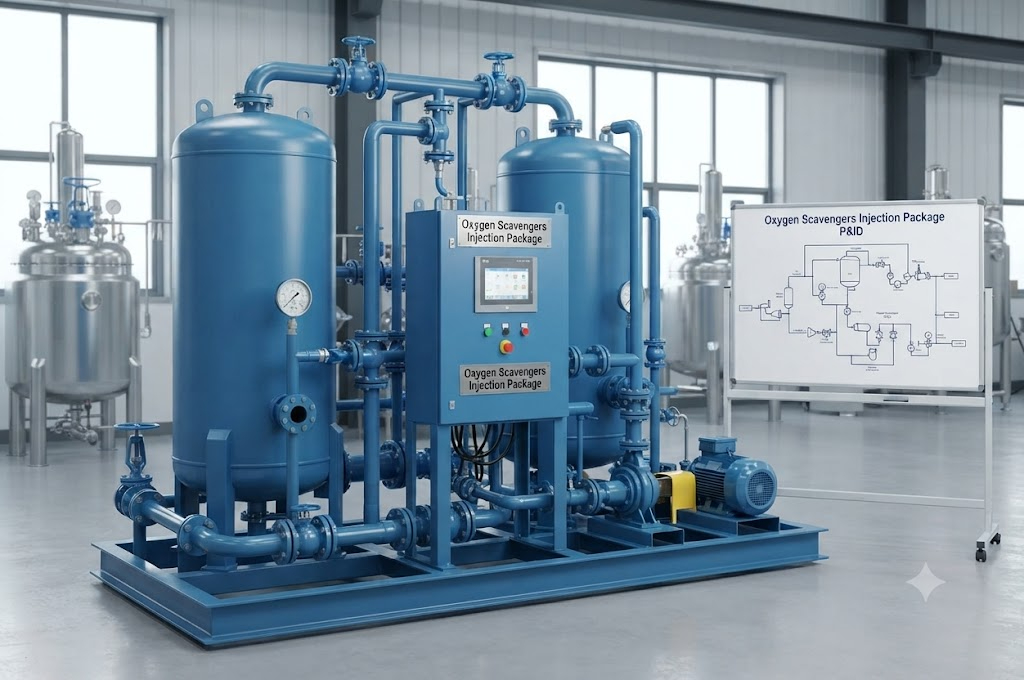
Oxygen scavengers Injection Package
The Oxygen Scavenger Injection Package is a critical system designed to remove dissolved oxygen from boiler feedwater, pipelines, and process systems, preventing corrosion, pitting, and scaling in industrial and oil & gas applications. Oxygen scavengers, such as sodium sulfite, hydrazine, or DEHA (Diethylhydroxylamine), are injected in precise amounts to protect metal surfaces and extend the lifespan of equipment.
Oxygen Scavenger Injection Package is a custom-engineered, skid-mounted system that ensures efficient and controlled chemical dosing, improving system reliability and performance.
Get Your Free Quote…!
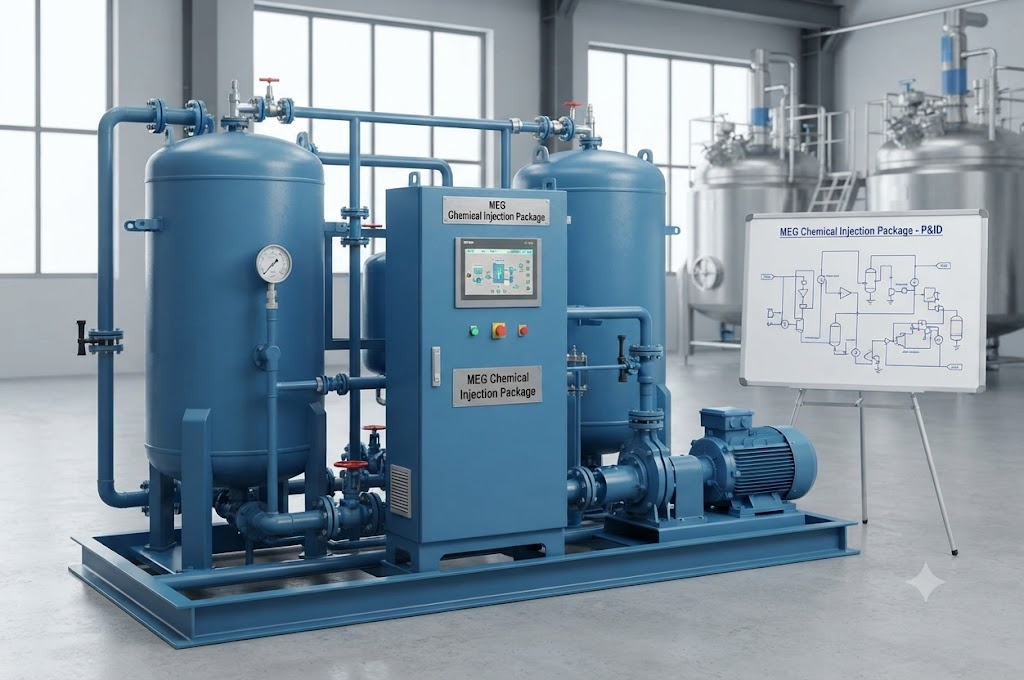
MEG Chemical Injection Package
The Monoethylene Glycol (MEG) Injection Package is a critical system used in oil and gas operations for hydrate inhibition and pipeline integrity management. This package is designed to inject precise quantities of MEG into pipelines to prevent the formation of gas hydrates, ensuring uninterrupted production and transport of hydrocarbons in subsea and onshore facilities.
MEG Injection Package is a custom-engineered solution that integrates high-performance dosing pumps, storage tanks, filtration systems, instrumentation, and control systems for accurate and reliable MEG injection.
Get Your Free Quote…!
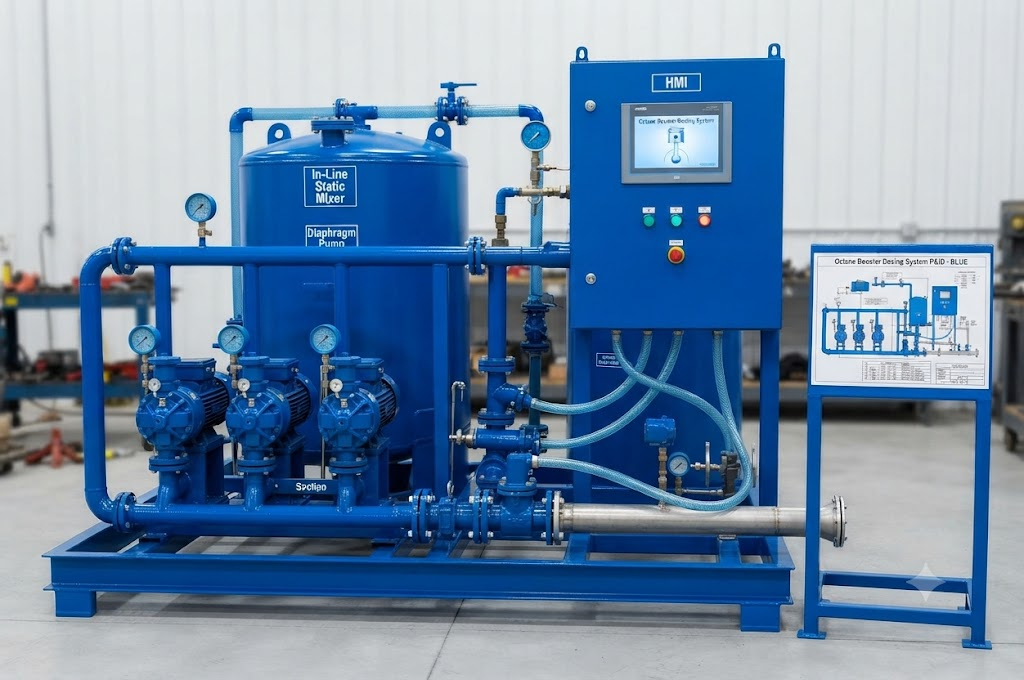
Octane Booster
Octane Booster Dosing System is to increase the octane rating of gasoline by injecting octane booster additives into the fuel stream in a controlled and precise manner, typically in industrial settings where gasoline needs to be blended to meet specific octane requirements.
Overview: An Octane Booster Injection Skid is a type of fuel blending system that is used to inject octane booster into gasoline. This skid-mounted system is typically used in fuel refineries, petrochemical plants, and other industrial settings where gasoline needs to be blended to meet specific octane requirements.
Get Your Free Quote…!
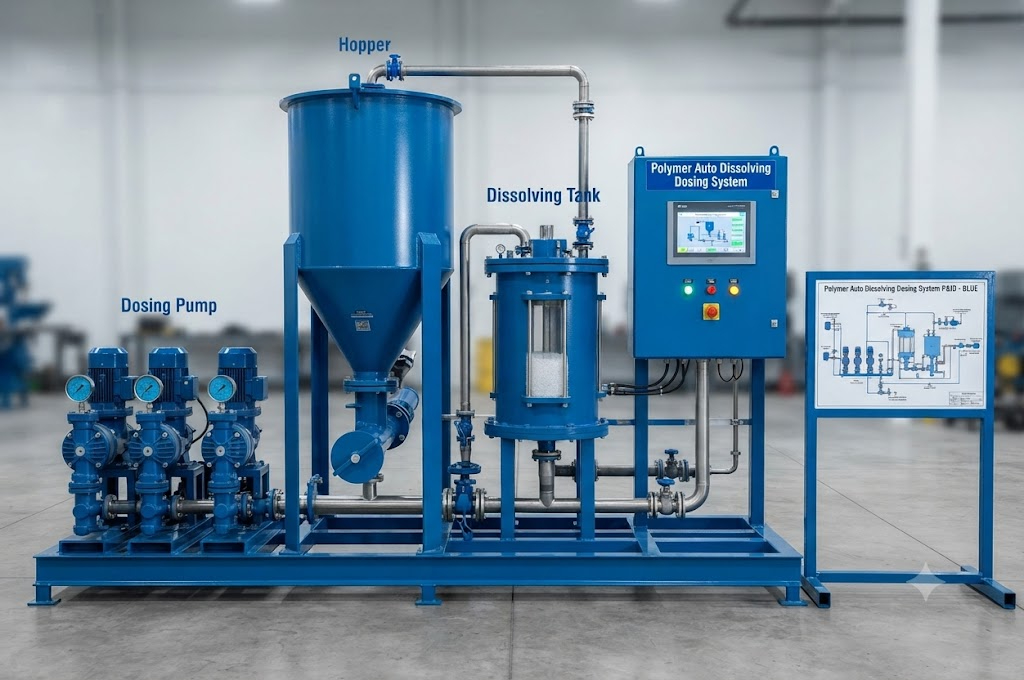
Polymer Auto Dissolving Dosing System
The purpose of the C Polymer Auto Dissolving Dosing System is to automate the precise dosing of polymer substances into water treatment processes, ensuring efficient and effective removal of impurities for enhanced water quality.
Overview: Verito’s Polymer Auto Dissolving Dosing System is a sophisticated Injection Package designed for precise and efficient dosing of polymers in water treatment processes. Polymers play a crucial role in various water treatment applications, including flocculation, coagulation, and sedimentation, where they aid in the removal of suspended particles, organic matter, and other impurities from water.
The C Polymer Auto Dissolving Dosing System automates the process of dissolving polymer substances into water, ensuring accurate dosing levels and consistent performance. This system is particularly beneficial in industrial and municipal water treatment plants, where large volumes of water need to be treated efficiently and effectively.
Get Your Free Quote…!
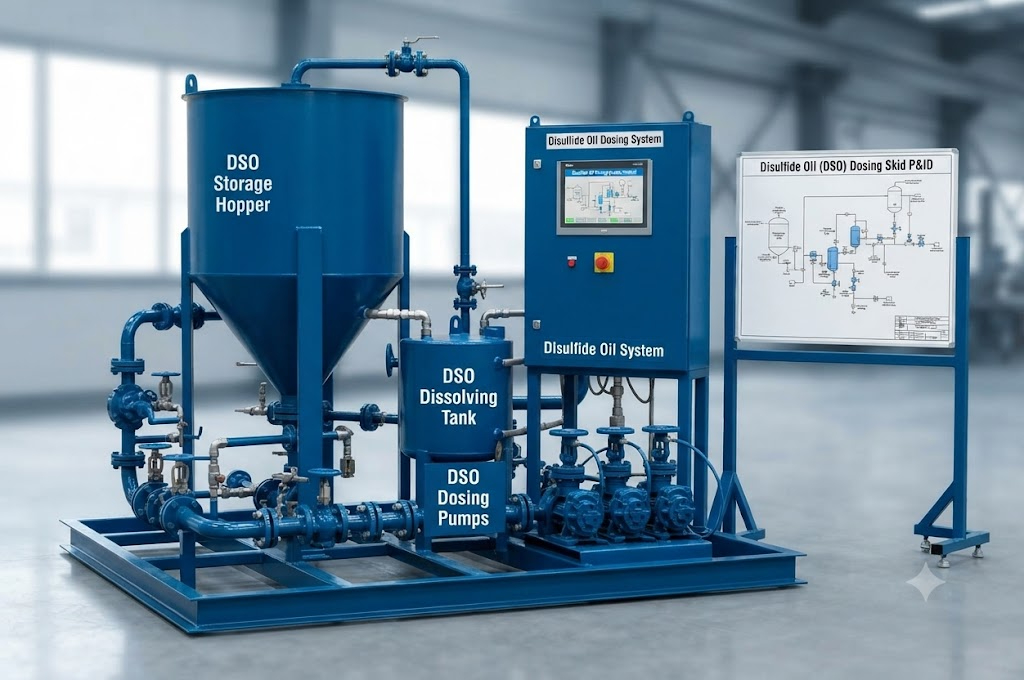
Disulfide Oil (DSO) Process Dosing Skid
Disulfide Oil (DSO) Process Dosing Skid Injection Package is a specialized system designed for the controlled injection of Disulfide Oil into process units within the oil and gas industry. Disulfide oil (DSO) is a low-grade byproduct of gas refining. It is produced during the demercaptanization process. DSO is a hydrocarbon sulfide waste stream that can cause environmental pollution.
Overview: We introduces its cutting-edge Disulfide Oil (DSO) Transfer Skid Package, a comprehensive solution designed to streamline and enhance the transfer of disulfide oil in various industrial applications. It is meticulously engineered to ensure precise and controlled transfer of disulfide oil, minimizing wastage and optimizing production processes.
Get Your Free Quote…!
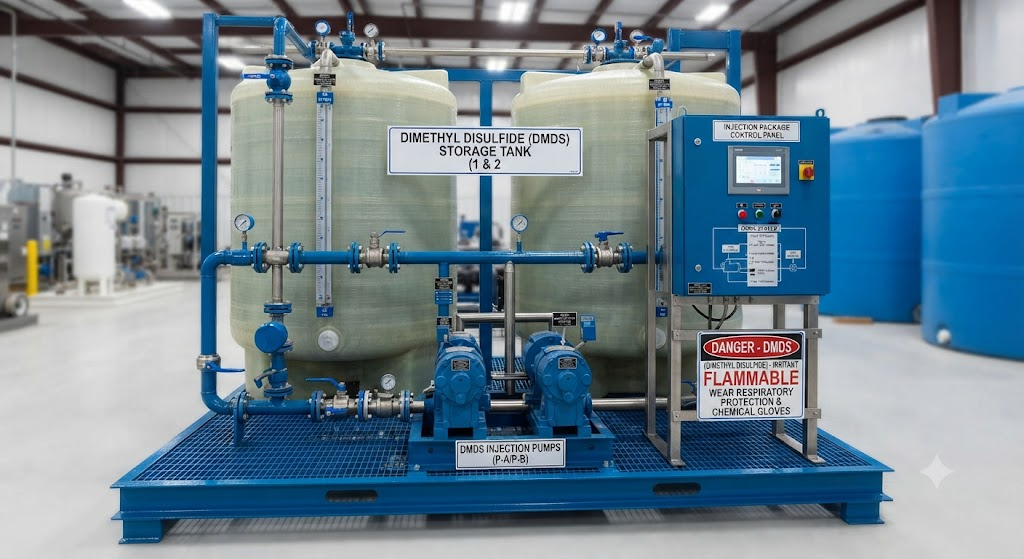
Dimethyl Disulfide (DMDS) Injection Package
DMDS Injection Package is a precision-engineered solution for the controlled injection of Dimethyl Disulfide into hydro processing units, ensuring efficient sulfur removal and compliance with environmental regulations in the oil and gas industry.
Overview: We proudly introduces the DMDS Injection Package, a sophisticated solution designed to optimize hydro processing units in the oil and gas industry. This system is engineered for the precise injection of Dimethyl Disulfide (DMDS), a critical sulfurization agent utilized for the efficient removal of sulfur from various feedstocks. In compliance with stringent environmental regulations for low-sulfur fuels, our injection package ensures the highest standards of performance.
Get Your Free Quote…!
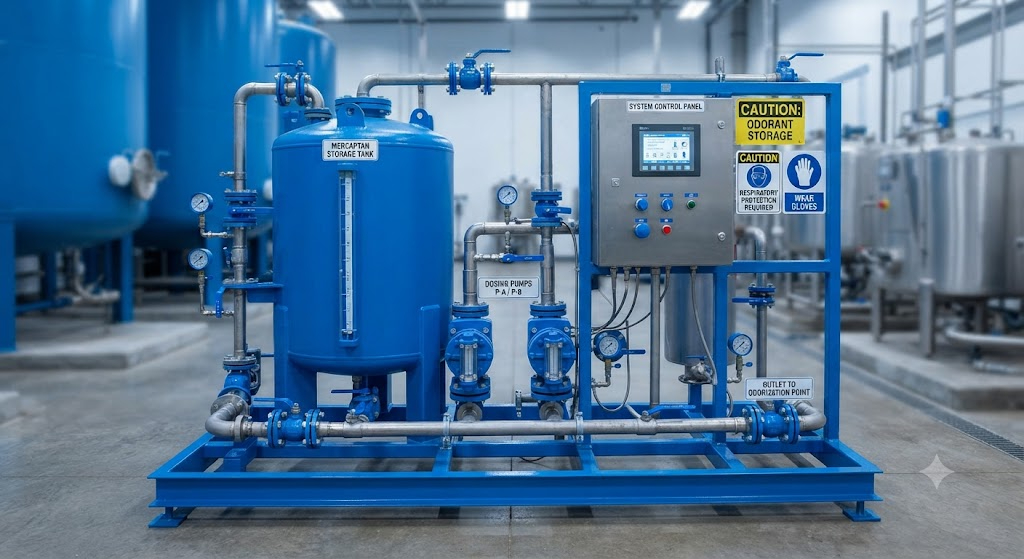
Mercaptan Dosing Systems
Mercaptan Injection Packages is to add small amounts of mercaptan compounds to natural gas, propane, or other odorless gases to give them a distinct odor for the purpose of detecting gas leaks and preventing accidents.
Overview: Mercaptan dosing system is a system used in the oil and gas industry to inject mercaptan compounds into natural gas to give it a distinctive odor. This is done as a safety measure to alert people of the presence of gas in case of a leak.
Mercaptan is a sulfur-containing organic compound with a pungent odor that is easily detectable by the human nose at very low concentrations. By injecting mercaptan into natural gas, the odor of the gas is changed from being odorless to a distinctive rotten egg smell, which can be easily detected by people in case of a gas leak.
Get Your Free Quote…!
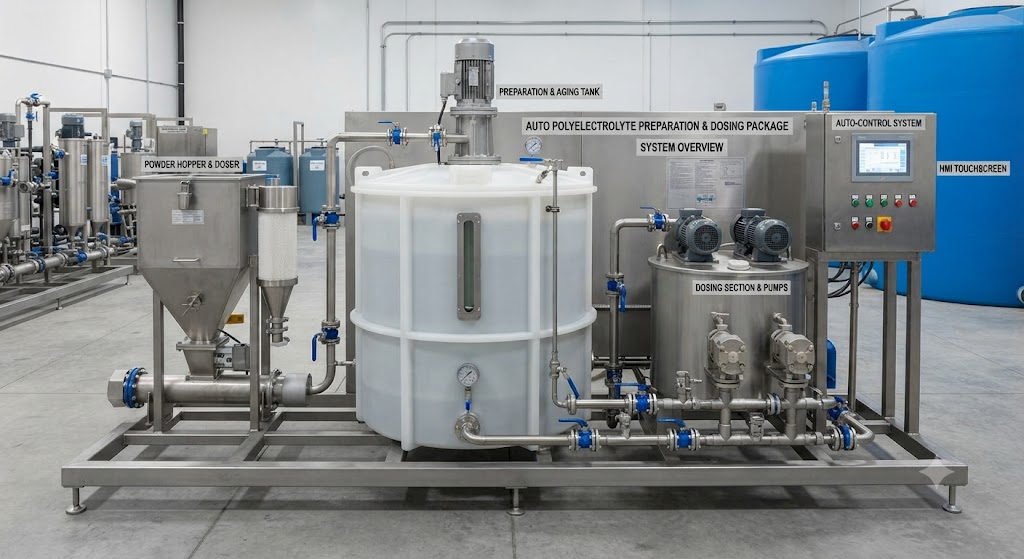
Auto Polyelectrolyte Preparation & Dosing Package
The Auto Polyelectrolyte Preparation & Dosing Package by is a fully automated, skid-mounted system designed for efficient preparation and precise dosing of polymers used in water and wastewater treatment. Featuring a gravity-fed dual-tank design with the Preparation Tank mounted above the Dosing Tank, it eliminates the need for transfer pumps while ensuring consistent solution quality. Integrated with a PLC-HMI based control system, accurate screw feeder, and high-efficiency agitator, the system ensures reliable operation with minimal human intervention—making it ideal for applications like sludge dewatering, clarifier dosing, and effluent treatment.
This dual-level system features a Preparation Tank mounted above the Dosing Tank, enabling gravity-assisted transfer of the matured solution, ensuring consistent flow without transfer pumps. It supports continuous and batch-type operation, making it adaptable for both small- and large-scale requirements.
Get Your Free Quote…!
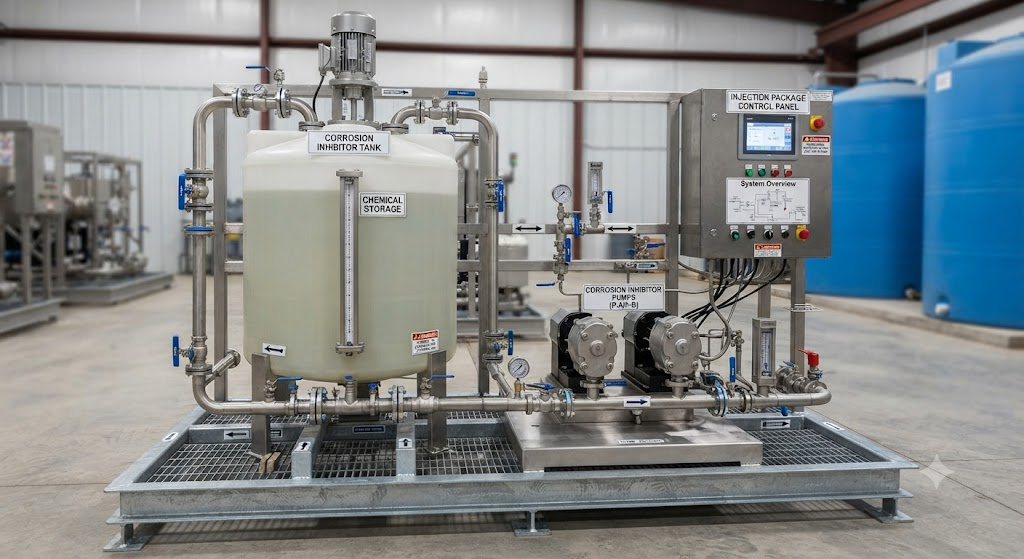
Corrosion Inhibitor Injection Package
A Corrosion Inhibitor Injection Package is a system that injects a chemical solution into a process stream to mitigate or prevent corrosion of metal surfaces, typically used in industrial settings such as oil and gas production facilities or water treatment plants.
Overview: A corrosion inhibitor injection package is a system used to inject and distribute a chemical substance known as a corrosion inhibitor into a process or pipeline system to prevent or mitigate corrosion. Corrosion is a natural process that occurs when metal reacts with its environment, and it can cause significant damage to equipment and infrastructure over time. Corrosion inhibitors work by forming a protective layer on the metal surface, preventing or slowing down the corrosion process.
Get Your Free Quote…!
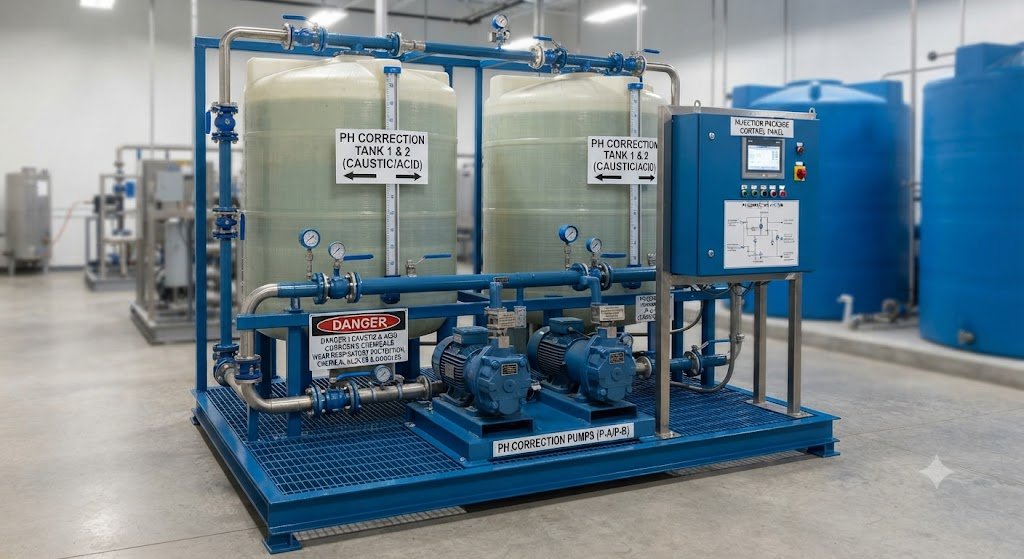
PH Correction Injection Package
pH correction injection package is a system that injects chemicals into a fluid stream to adjust its pH level to a desired range.
Overview: pH correction injection package is a set of equipment and chemicals used to adjust and stabilize the pH level of a liquid. The package typically includes a chemical metering pump, injection quill, pH sensor, and a control panel. The chemicals used for pH correction can vary depending on the specific application, but often include acids or bases such as hydrochloric acid, sodium hydroxide, or sulfuric acid.
The purpose of pH correction injection is to maintain a desired pH level in a liquid, such as water or wastewater. pH levels outside of a desired range can have negative impacts on various processes, including chemical reactions, biological activity, and corrosion. pH correction injection ensures that the pH level is stable and consistent, helping to prevent these negative effects.
Get Your Free Quote…!
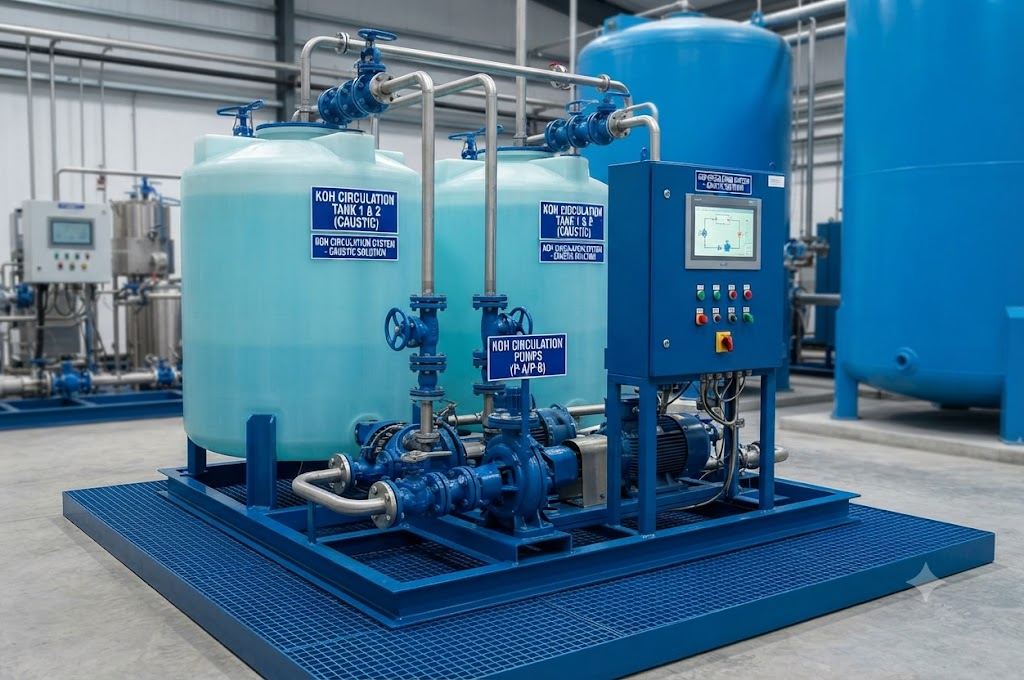
KOH Circulation System
The KOH (Potassium Hydroxide) Circulation System designed and engineered by Verito Engineering Private Limited plays a crucial role in the electrolyser-based Green Hydrogen Production Project. This high-precision system is responsible for circulating and controlling KOH solution within the electrolyser setup to ensure efficient hydrogen production through electrolysis of water.
Overview: The KOH Circulation System is a fully automated system designed to circulate and regulate the potassium hydroxide solution between the electrolyser cells and associated components. Its key function is to maintain the electrolyte is concentration, flow rate, and temperature, optimizing the performance of the electrolysers for sustainable hydrogen generation.
Get Your Free Quote…!
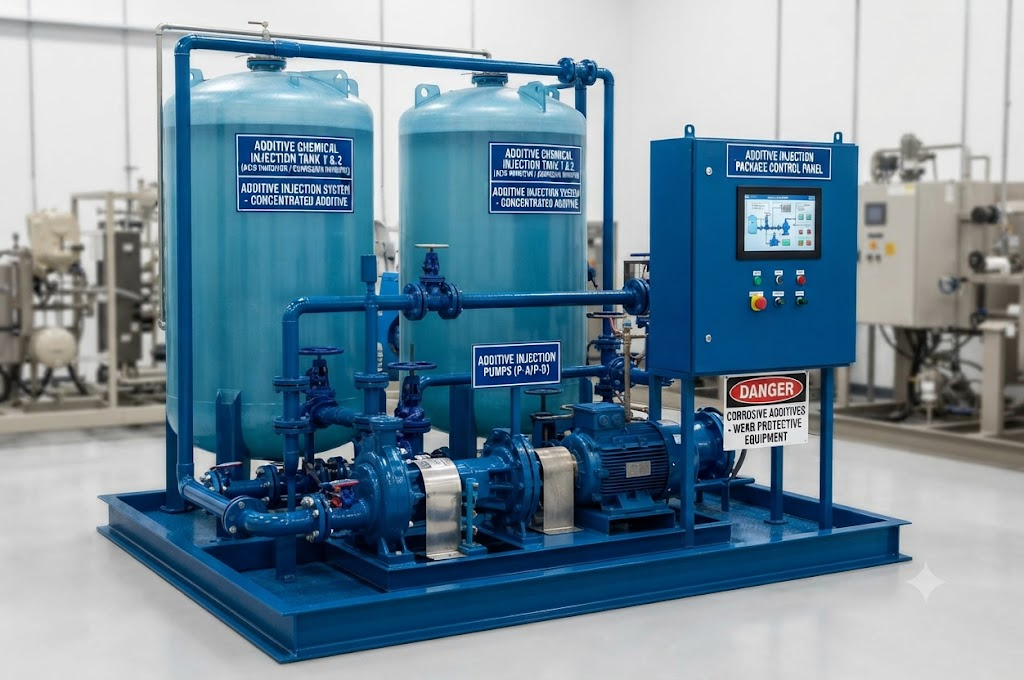
Additive Chemical Injection Package
Additive Chemical Injection Package, developed for Tata Chemical Limited, is an advanced and high-precision system designed to dose and regulate chemical additives in various processes within chemical production. This system is engineered to meet the demanding requirements of industrial dosing, ensuring accuracy, efficiency, and safety across a wide range of applications.
Overview: The Additive Dosing System is a critical component in the chemical production process, where it ensures the precise addition of various chemical additives to achieve desired reactions, product qualities, or process optimization. Tailored to meet the specific needs of Tata Chemical Limited, this system is designed for accuracy, consistency, and long-term reliability, even in harsh industrial environments.
Get Your Free Quote…!
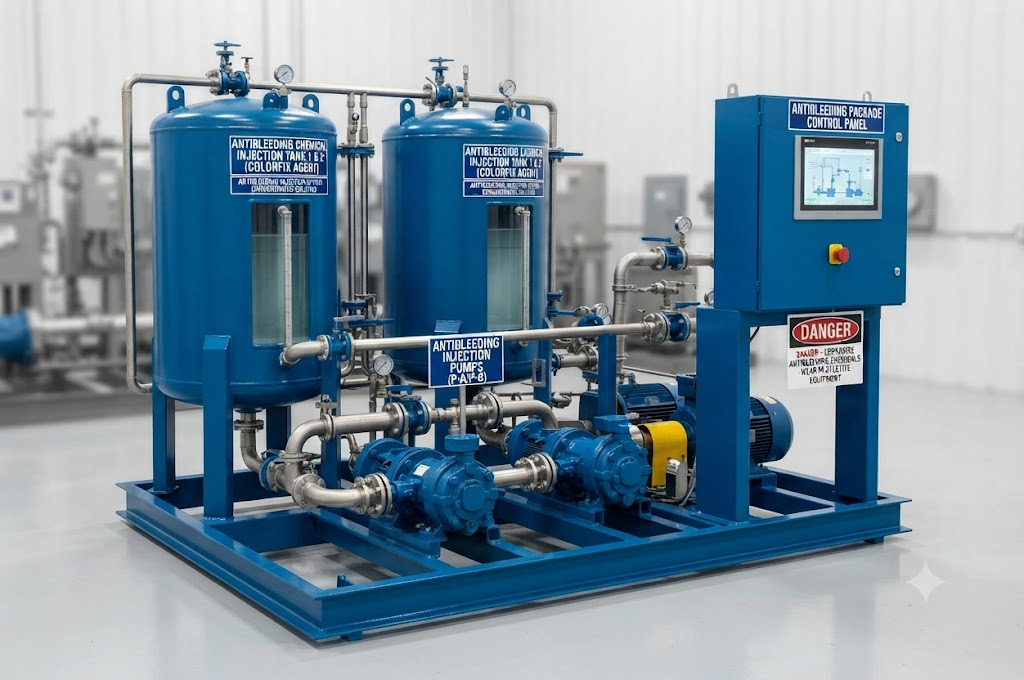
Antibleeding Chemical injection Package
Purpose: Vital role in to increase production capacity of Fiber Component manufacturing.
Overview: Injection System for antibleeding are subject to stringent requirement, with custom design usually needed for the application in question. We thrives on challenge just like these. Thanks for our expertise we are able to offer antibleeding injection package that are not only custom made, but also feature unsurpassed reliability and quality.
Supplied to: One of the biggest fiber produce in Austria which has global manufacturing sites over Europe (UK & Austria), United State, Asia & Indonesia.
Project: L2 Black Fiber
Technical Aspects: Available in ATEX, CE, ASME, API, IS…..etc.
Get Your Free Quote…!
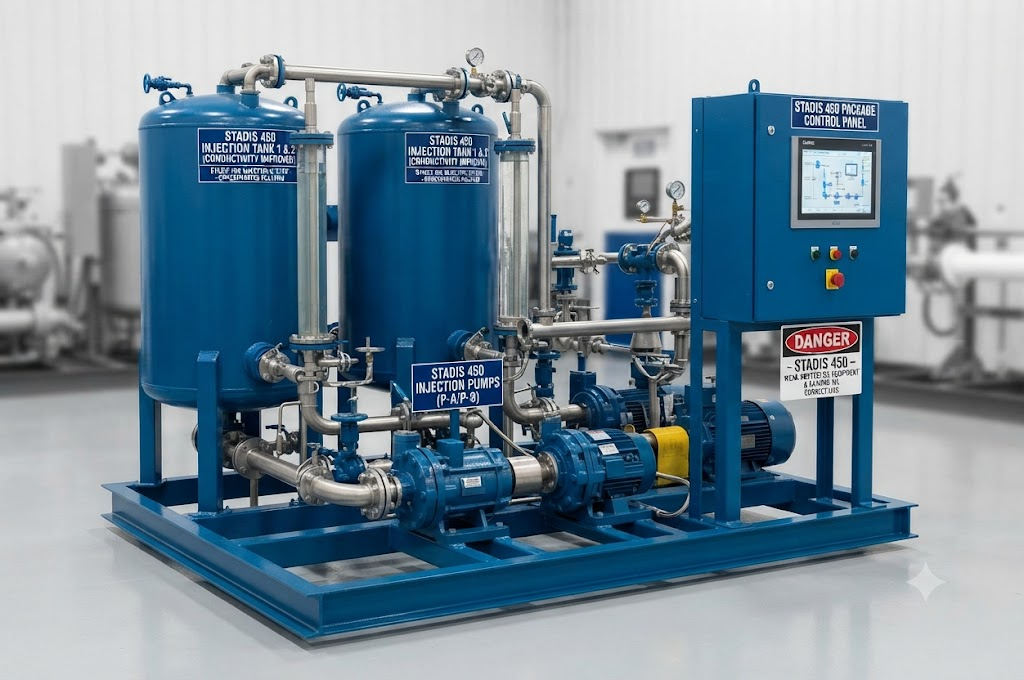
Stadis 450 Injection Package
Purpose: Additive Injection Packages (AIPs) for Jet Fuel systems are specialized chemicals added to enhance jet fuel performance, reduce deposits and contaminants, improve combustion efficiency, reduce emissions, and may have anti-icing properties.
Overview: Stadis 450 Injection Package is a product used in aviation fueling to improve the conductivity of jet fuel. It is a mixture of chemicals that are added to jet fuel to enhance its electrical conductivity, which is critical for safe and efficient fueling operations.
Jet fuel is a non-conductive liquid and when it flows through pipelines, hoses, and filters, it can accumulate static electricity which can potentially cause sparks and ignite the fuel. This is why it is important to ensure that the fuel is sufficiently conductive before it is used in aircraft.
Get Your Free Quote…!
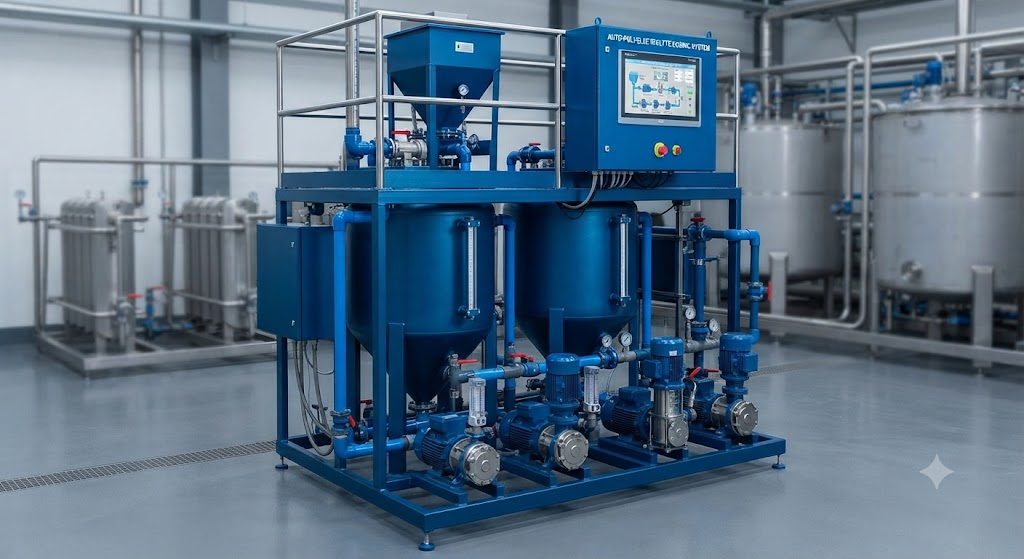
Auto-Polyelectrolyte Dosing System
Purpose: An auto-polyelectrolyte injection package is to optimize the performance of solid-liquid separation processes in water and wastewater treatment by automating and controlling the injection of polyelectrolyte.
Overview: An auto-polyelectrolyte dosing system is a device used in the treatment of water and wastewater to optimize the performance of solid-liquid separation processes such as sedimentation, flotation, and filtration.
Polyelectrolytes are high molecular weight, water-soluble polymers that can be positively or negatively charged, depending on the type of functional group present in their structure. They are commonly used in water treatment processes as coagulants, flocculants, and dewatering agents.
Get Your Free Quote…!
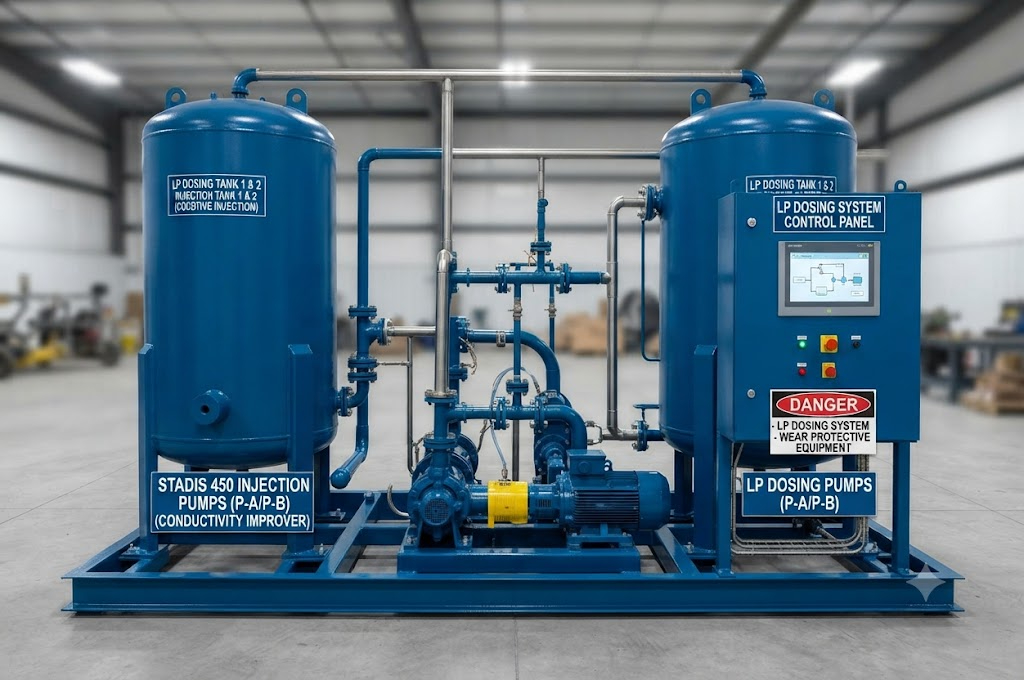
LP Dosing System
Purpose: LP dosing systems in power plants inject precise amounts of chemicals into the water-steam cycle to remove dissolved oxygen, control pH levels, and prevent corrosion in boilers, turbines, and condensers.
Overview: LP dosing systems are widely used in power plants to inject precise amounts of chemicals into the water-steam cycle. These systems are critical for maintaining the performance and reliability of power plant equipment, including boilers, turbines, and condensers.
The chemicals that are typically dosed in power plant LP dosing systems include oxygen scavengers, corrosion inhibitors, and pH control agents. Oxygen scavengers are used to remove dissolved oxygen from the feedwater, which can cause corrosion in the boiler and other equipment. Corrosion inhibitors are used to protect the metal surfaces from corrosion. pH control agents are used to maintain the desired pH level in the water-steam cycle, which is important for preventing corrosion and other issues.
Get Your Free Quote…!
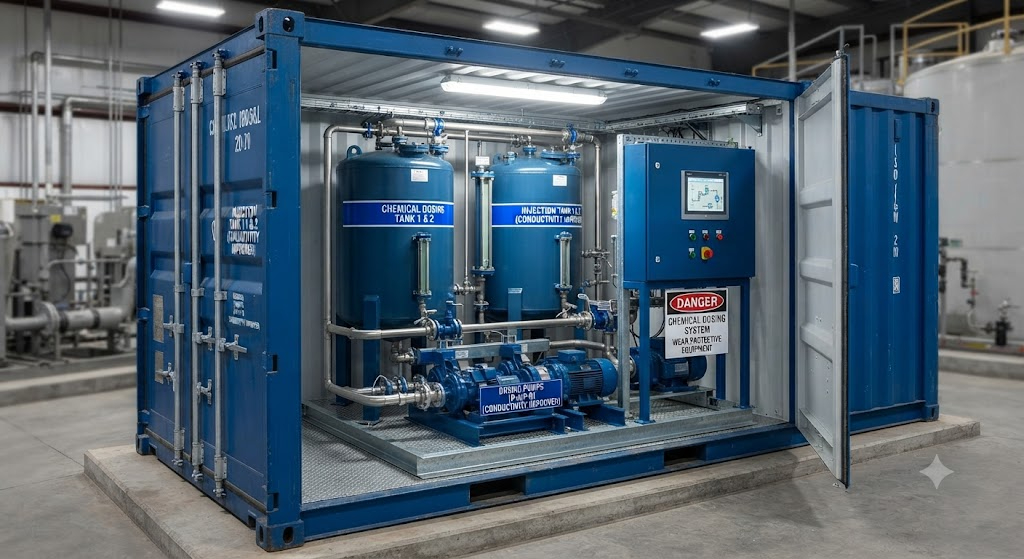
Containerized Chemical Dosing System
The Containerized Chemical Dosing System is a pre-engineered, fully integrated, plug-and-play chemical dosing package housed within a robust ISO container. It is designed to simplify site installation, enhance safety, and enable efficient chemical storage, preparation, and dosing across various industries.
This modular system is ideal for locations with space constraints, remote project sites, or hazardous chemical handling zones. The entire dosing infrastructure—including chemical storage tanks, preparation units, metering pumps, automation panels, ventilation, and safety systems—is factory-fabricated, pre-tested, and delivered as a self-contained unit, ready for rapid deployment and commissioning at the site.
Get Your Free Quote…!
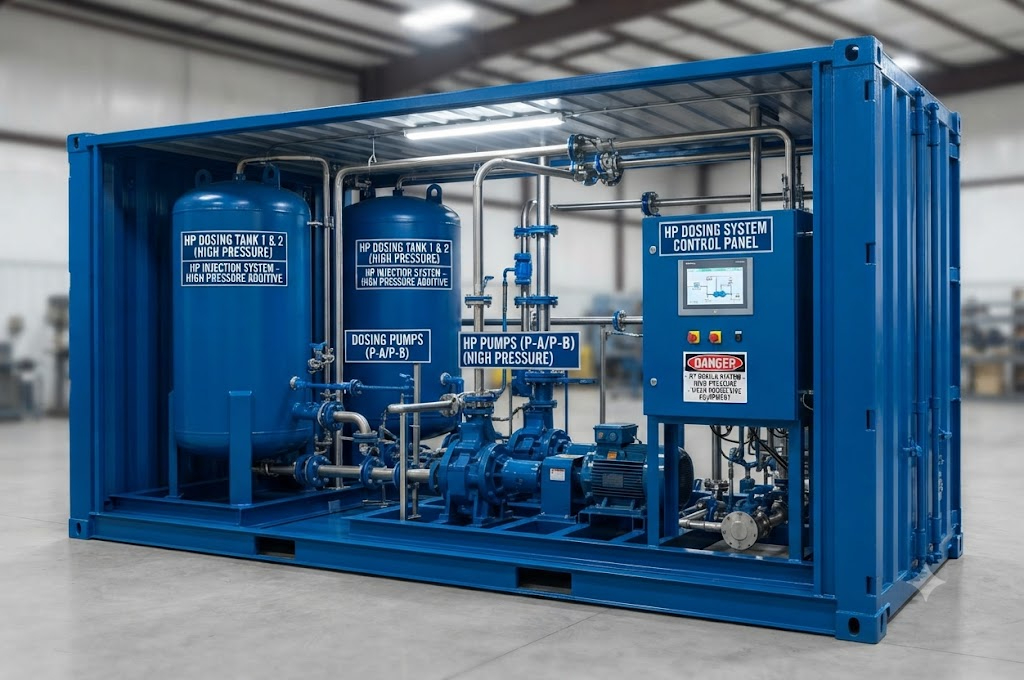
HP Dosing System
Purpose: HP dosing system in a power plant is to maintain the proper pH level of the boiler feedwater and prevent corrosion and scaling.
Overview: An HP (high-pressure) dosing system in a power plant is to inject a precise amount of chemicals, typically ammonia or an ammonia derivative, into the feedwater of a boiler at high pressure to maintain the proper pH level and prevent corrosion and scaling.
The HP dosing system typically includes a storage tank for the chemical solution, a dosing pump or pumps, and instrumentation to measure the pH level of the feedwater and control the dosing rate. The system is designed to deliver the correct amount of chemical to the boiler, which can vary depending on factors such as boiler load, feedwater temperature, and the quality of the feedwater.
Get Your Free Quote…!
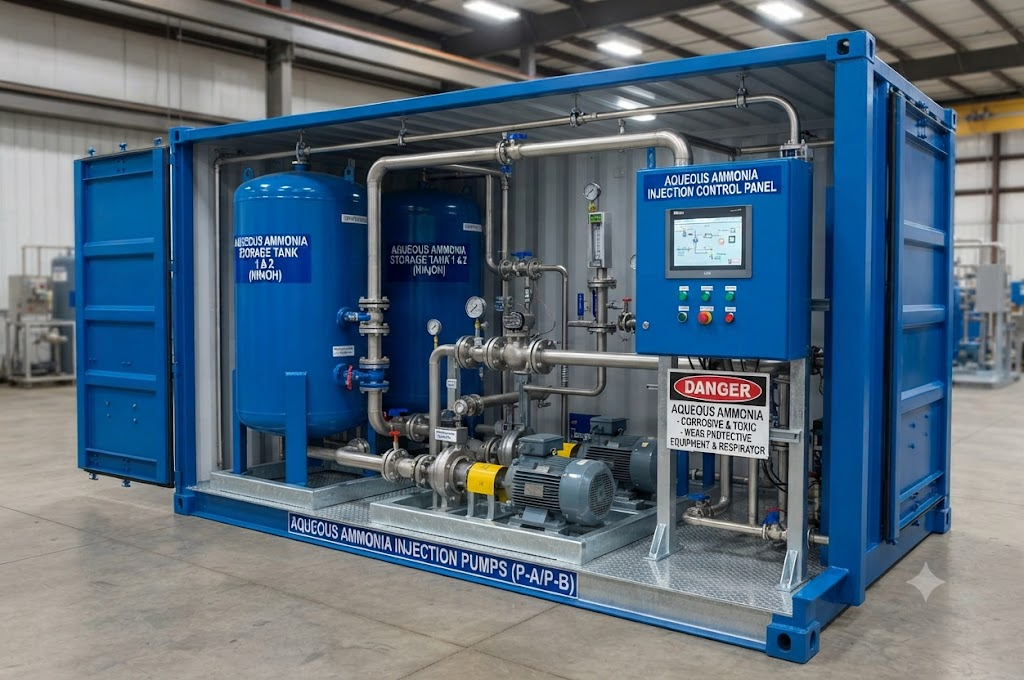
Aqueous Ammonia Injection Skid
Purpose: Aqueous Ammonia Injection Skid is to reduce nitrogen oxide (NOx) emissions in flue gas streams through the injection of aqueous ammonia as part of a selective catalytic reduction (SCR) system.
Overview: An Aqueous Ammonia Injection Skid is a system that injects aqueous ammonia into a flue gas stream to reduce nitrogen oxide (NOx) emissions. NOx is a harmful air pollutant that can be produced by combustion processes in industrial plants, power plants, and other facilities. Aqueous ammonia injection can be used as part of a selective catalytic reduction (SCR) system to reduce NOx emissions.
The skid typically includes a storage tank for the aqueous ammonia, a pump to deliver the ammonia to the injection point, a control system to regulate the injection rate, and associated piping and valves. The system is designed to inject the ammonia at a precise rate and location in the flue gas stream to maximize the reduction of NOx emissions.
Get Your Free Quote…!
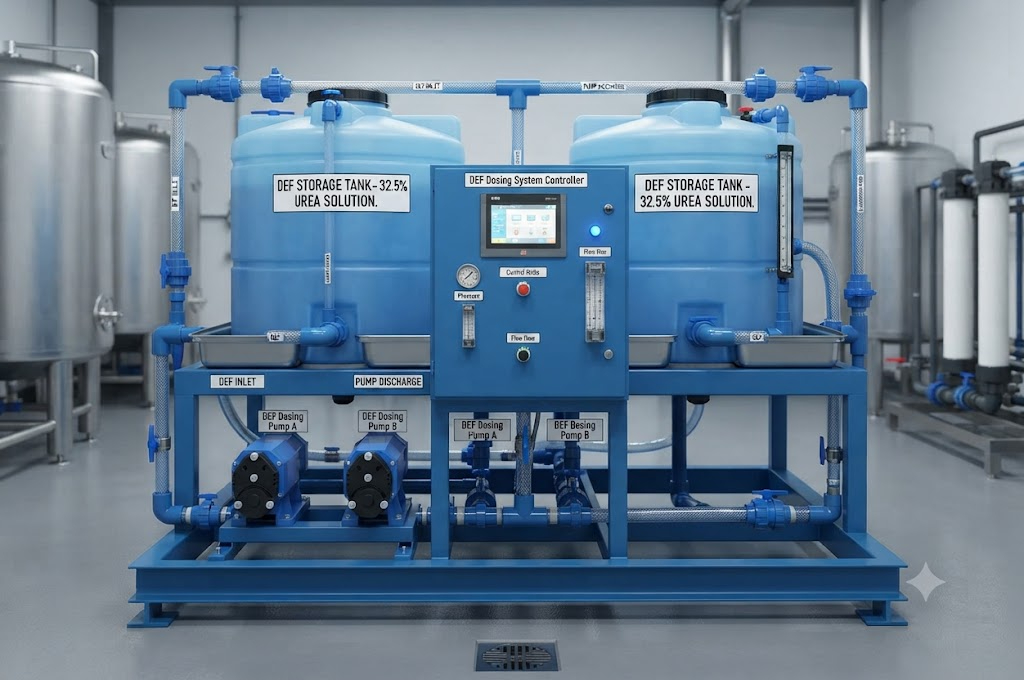
Diesel Dosing Systems
Purpose: Diesel Dosing System is to reduce nitrogen oxide emissions in diesel engines by precisely injecting small amounts of diesel exhaust fluid (DEF) into the exhaust stream.
Overview: A diesel dosing system is a component used in diesel engines to precisely meter and inject small amounts of diesel exhaust fluid (DEF) into the exhaust stream. DEF is a solution of urea and deionized water that is injected into the exhaust gas to reduce nitrogen oxide (NOx) emissions. The dosing system consists of a pump, injector, control module, and sensors that work together to accurately measure and inject the right amount of DEF at the right time.
Get Your Free Quote…!
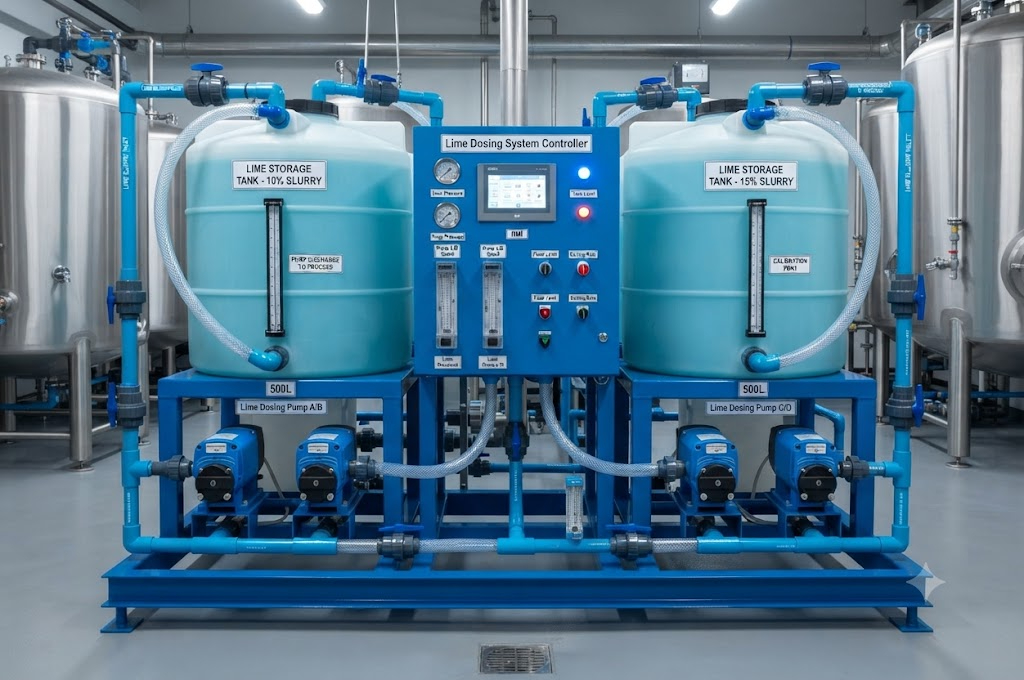
Lime Dosing System
Purpose: Lime Injection Package is to add a controlled amount of lime to a liquid or solid material in an industrial process to achieve desired chemical properties, such as pH adjustment, flocculation, or precipitation.
Overview: A Lime Dosing System is an industrial equipment used to accurately control and measure the amount of lime (calcium oxide or calcium hydroxide) added to a liquid or solid material. Lime is used in a variety of industrial processes, such as water treatment, paper production, and metallurgy.
The system generally consists of a hopper or silo where the lime is stored, a metering device that measures the amount of lime to be added, and a delivery system that transports the lime to the point where it is needed. The Lime Dosing System is designed to ensure that the lime is added in precise amounts to achieve the desired pH or other chemical properties in the process.
Get Your Free Quote…!
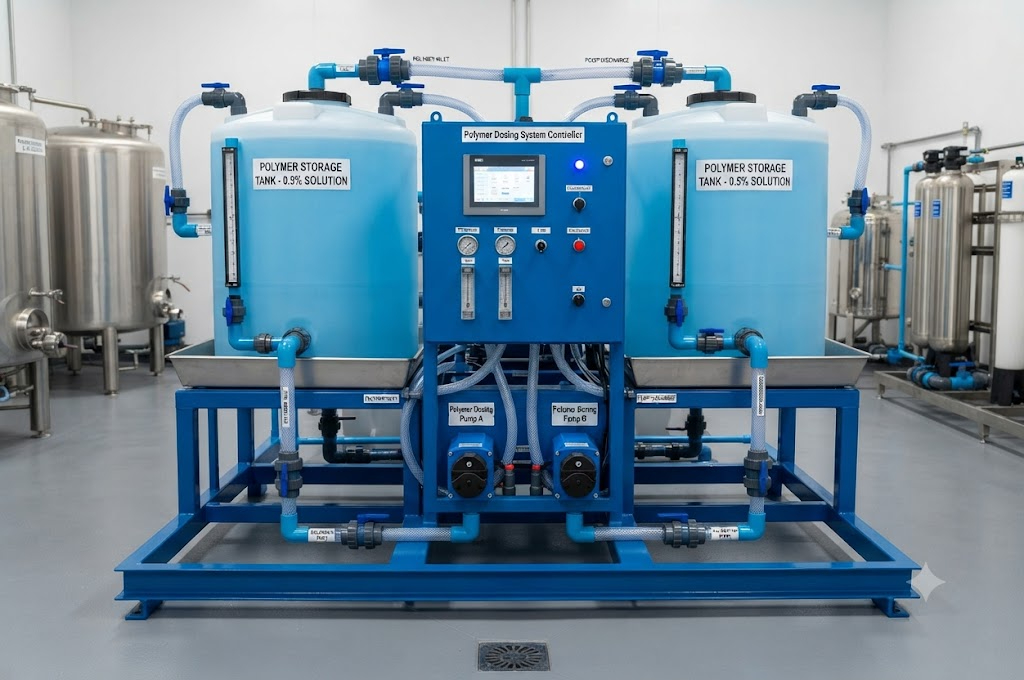
Poly Dosing System
Purpose: Poly dosing system is a customizable system used for accurate and controlled dosing of multiple chemicals or substances into a process stream, commonly used in industries such as water treatment, chemical processing, and pharmaceutical manufacturing.
Overview: A poly dosing system is a type of system used for the precise and controlled dosing of multiple chemicals or substances in a variety of industrial processes. It typically consists of a series of pumps, valves, and controllers that work together to accurately measure and deliver specific amounts of each substance into the process stream.
Get Your Free Quote…!
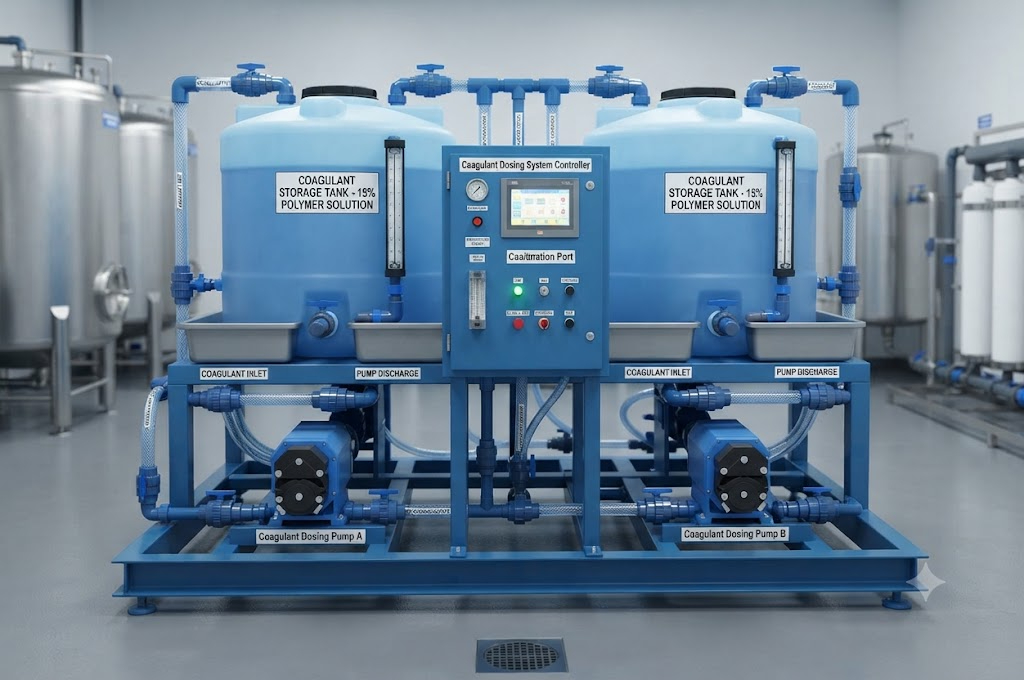
Coagulant Dosing System
Purpose: The purpose of a coagulant dosing system is to facilitate the efficient removal of suspended particles in water treatment processes by introducing precise amounts of coagulant to promote the formation of larger, settle able flocs.
Overview: A coagulant dosing system used in water treatment processes to introduce coagulants into the water to destabilize and aggregate suspended particles. Coagulants are chemicals that facilitate the clumping together of small particles into larger, more easily settle able flocs. This aids in the subsequent processes of sedimentation or flotation, where these larger flocs can be more efficiently removed from the water.
Get Your Free Quote…!
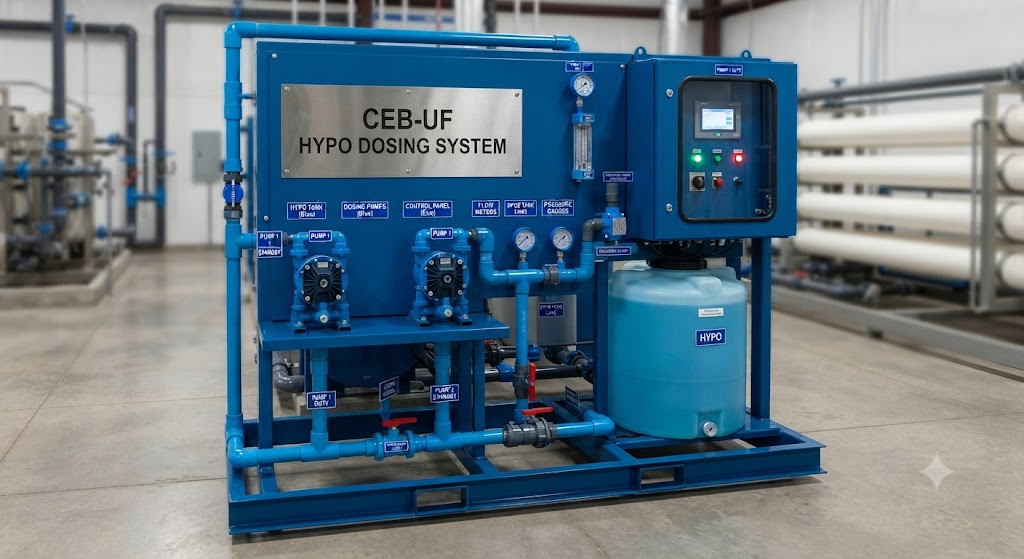
CEB-UF Hypo Dosing System
Purpose: The purpose of a Hypo Dosing System is to ensure controlled and precise injection of sodium hypochlorite into water treatment processes, facilitating effective disinfection and safeguarding water quality by eliminating or controlling harmful microorganisms.
Sodium hypochlorite is effective in killing bacteria, viruses, and other microorganisms, making it a common choice for disinfection in various applications, including water treatment for drinking water, wastewater treatment, and swimming pools.
Get Your Free Quote…!
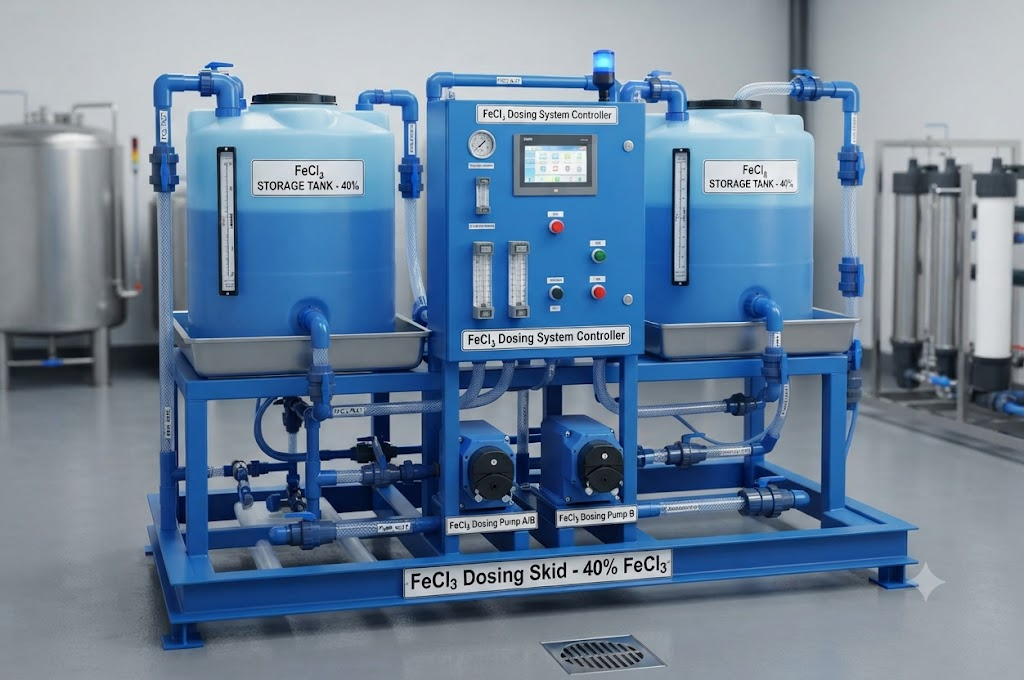
FeCL3 Dosing System
Purpose: The purpose of a FeCl3 dosing system is to optimize the performance of water treatment processes by ensuring the controlled and efficient dosing of ferric chloride, leading to improved water quality and compliance with treatment objectives. Overview: A FeCl3 (ferric chloride) dosing system is a system designed for the controlled dosing or injection of ferric chloride into water treatment processes. Ferric chloride is a chemical compound commonly used in water and wastewater treatment for various purposes, including coagulation, flocculation, and phosphorus removal.
Get Your Free Quote…!
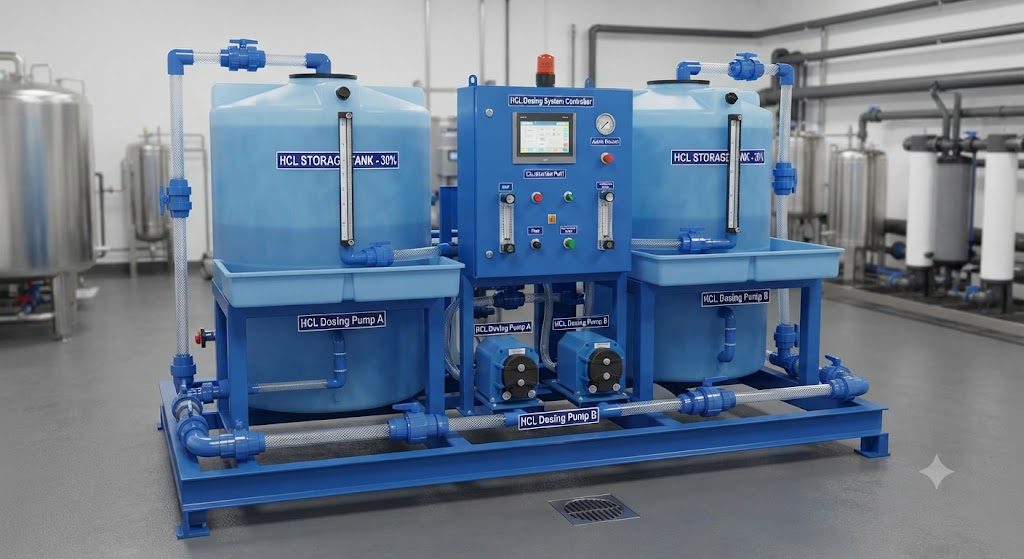
HCL Dosing System
Purpose: The purpose of an HCl dosing system is to provide a controlled and precise method of introducing hydrochloric acid into industrial processes, enabling effective chemical reactions, pH control, and other applications where controlled acidity is essential.
Overview: An HCl (hydrochloric acid) dosing system is a system designed for the controlled dosing or injection of hydrochloric acid into industrial processes, particularly in water treatment or chemical processing applications. Hydrochloric acid is a strong acid commonly used for pH adjustment, neutralization, and other chemical reactions in various industries.
Get Your Free Quote…!
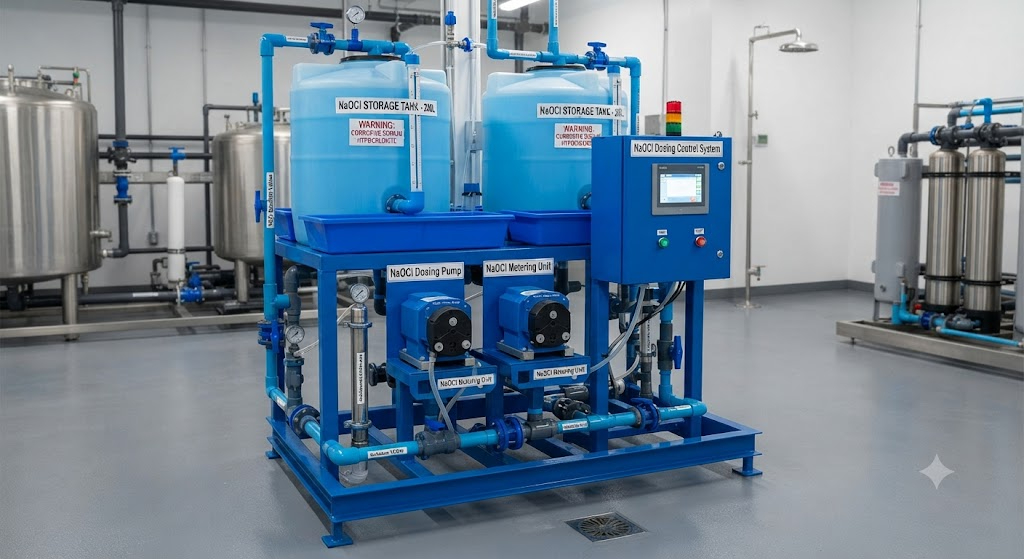
NaOCl Dosing System
Purpose: The purpose of a sodium hypochlorite dosing system is to provide a controlled and regulated means of introducing sodium hypochlorite into a process, contributing to effective disinfection and water treatment while adhering to safety and regulatory standards.
Overview: A sodium hypochlorite (NaOCl) dosing system is a system designed for the controlled dosing or injection of sodium hypochlorite into various industrial processes, often employed in water treatment and disinfection applications. Sodium hypochlorite is a chemical compound with the formula NaOCl, and it is commonly used as a disinfectant and bleach.
Get Your Free Quote…!
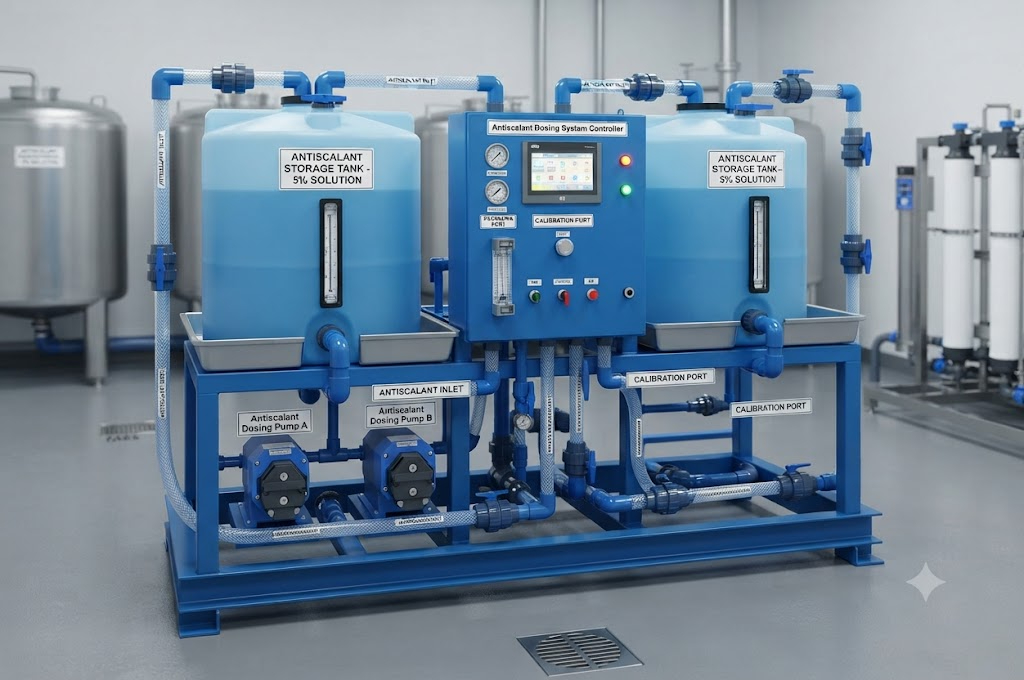
Antiscalant Dosing System
Purpose: The primary purpose of an antiscalant dosing system is to provide a controlled and regulated means of introducing antiscalant chemicals into a water treatment process, helping to prevent scale formation and maintain the efficiency of industrial equipment.
Overview: An antiscalant dosing system is designed for the controlled injection or dosing of antiscalant chemicals into industrial processes, particularly in water treatment applications. Antiscalants are chemical compounds that help prevent the formation and precipitation of scale in systems where water is used. Scale is formed when minerals in water, such as calcium and magnesium salts, precipitate and accumulate on surfaces, leading to the formation of deposits that can negatively impact the efficiency of industrial equipment.